
Golf Course Areas
- Tees, fairways, approaches, roughs, and practice surfaces.
- Drainage and compaction issues affecting playability.
- Recovery planning after stress, flood damage, or traffic.
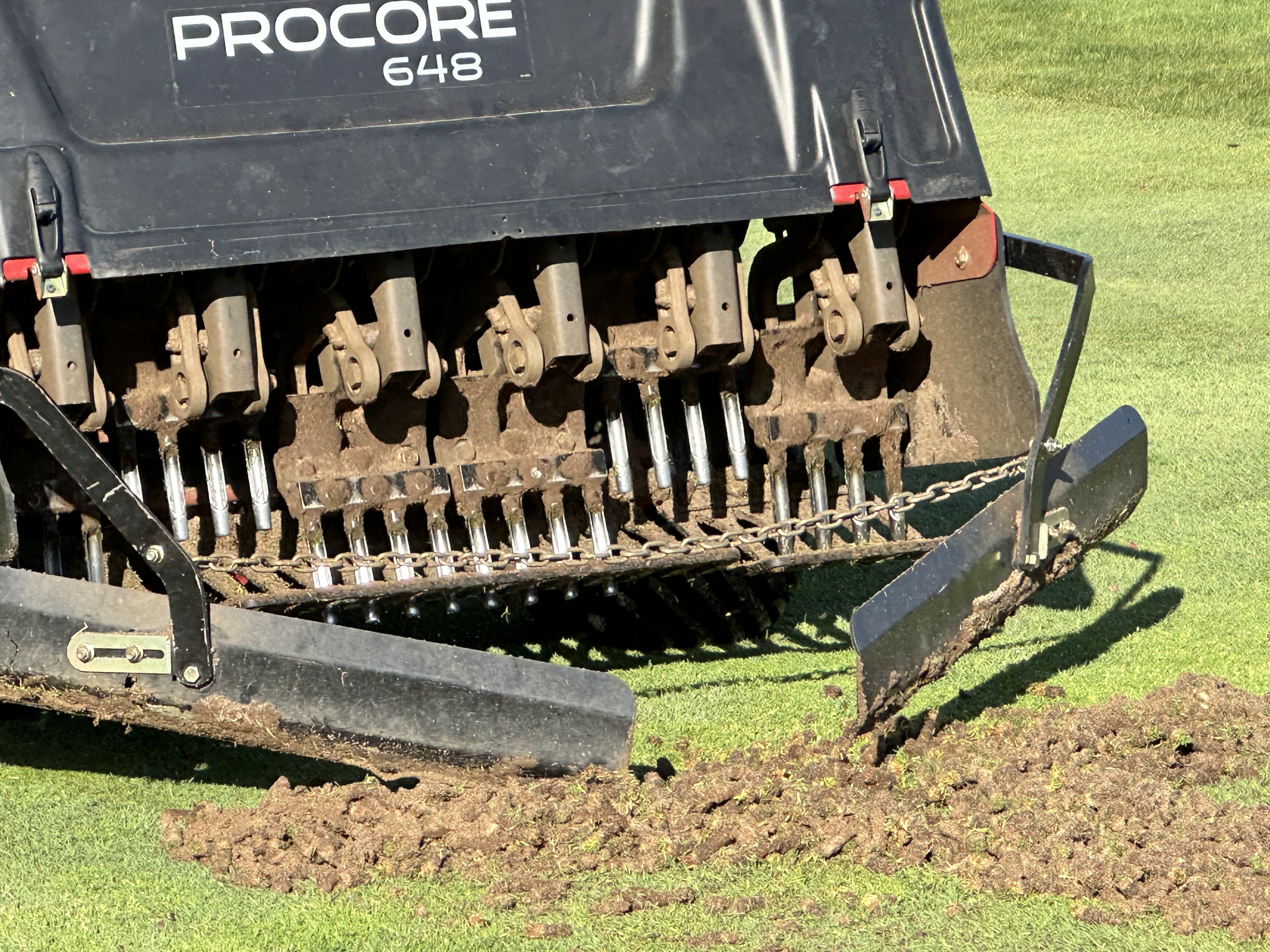
Renovation is more than spreading seed. We look at traffic, drainage, compaction, soil health, shade, irrigation, species selection, timing, and maintenance capacity before building the work plan.
The work starts with observation and ends with a practical path for establishment, maintenance, and follow-through.
We review the problem areas, use patterns, drainage, soil, irrigation, shade, and maintenance history.
The recommendation may include aerification, soil correction, drainage work, grading, seeding, sod, fertility, or changes to the care program.
Renovation succeeds when the follow-up is realistic. We help plan watering, mowing, fertility, traffic control, and timing so the new turf can settle in.
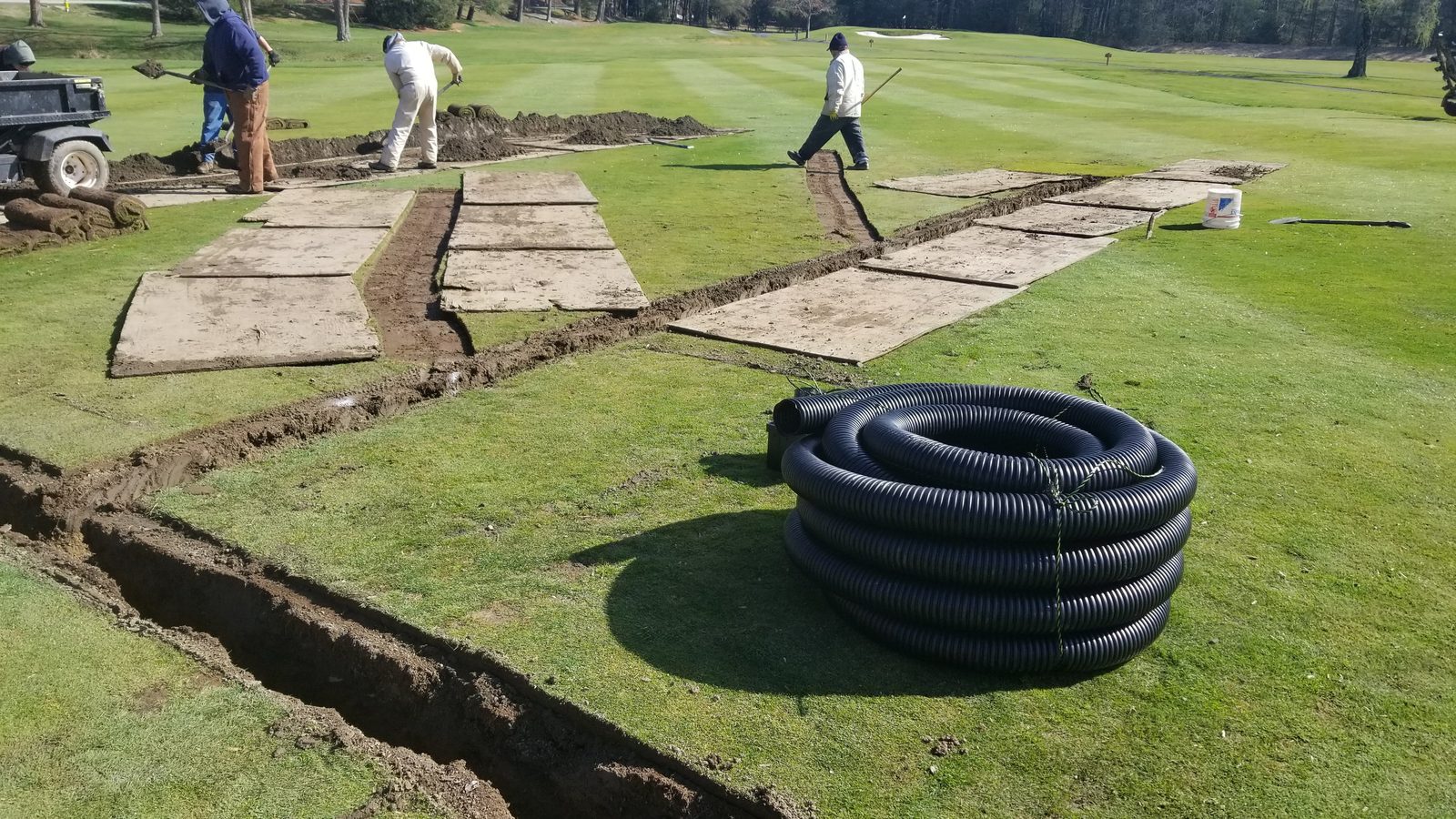
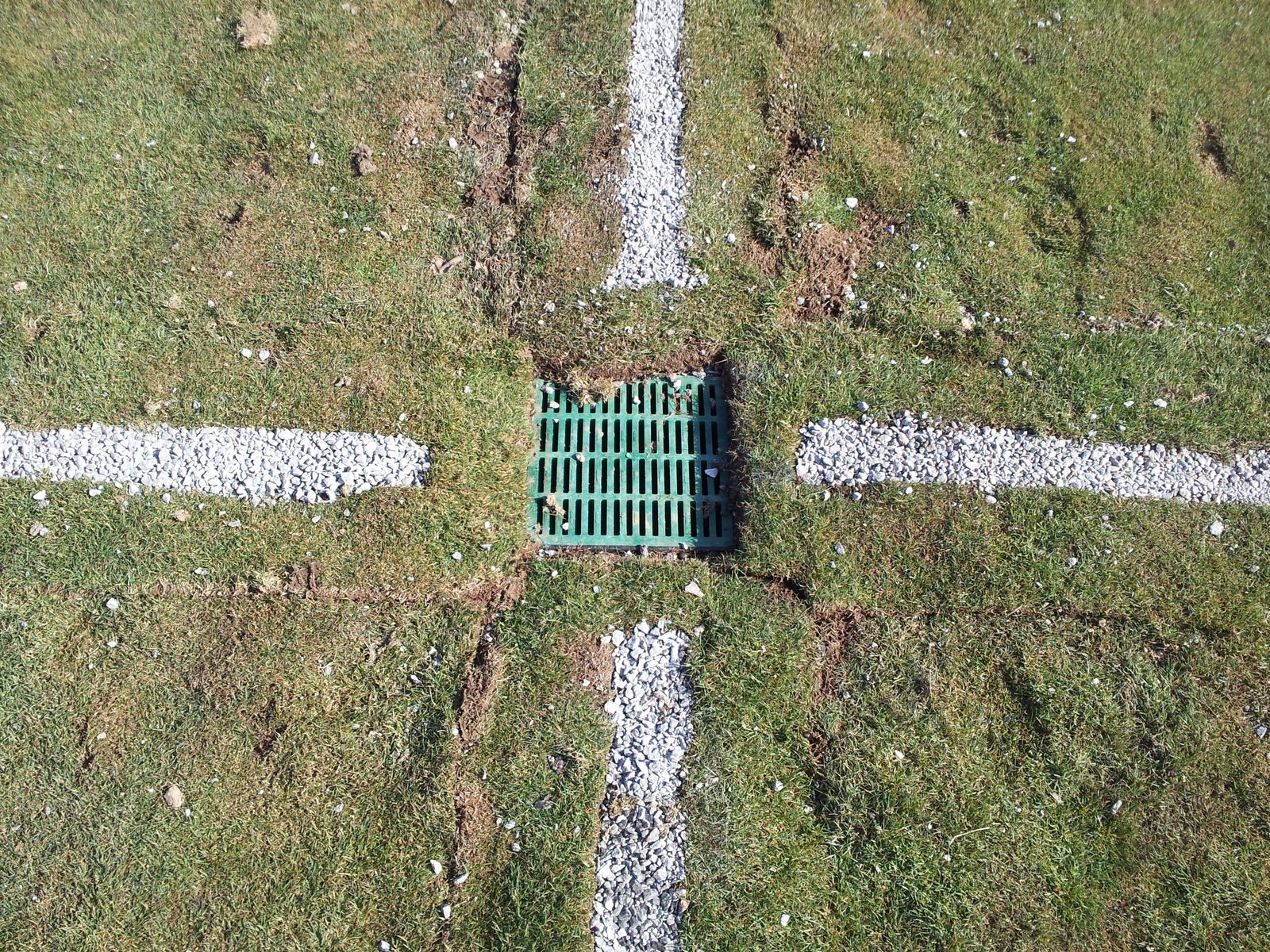
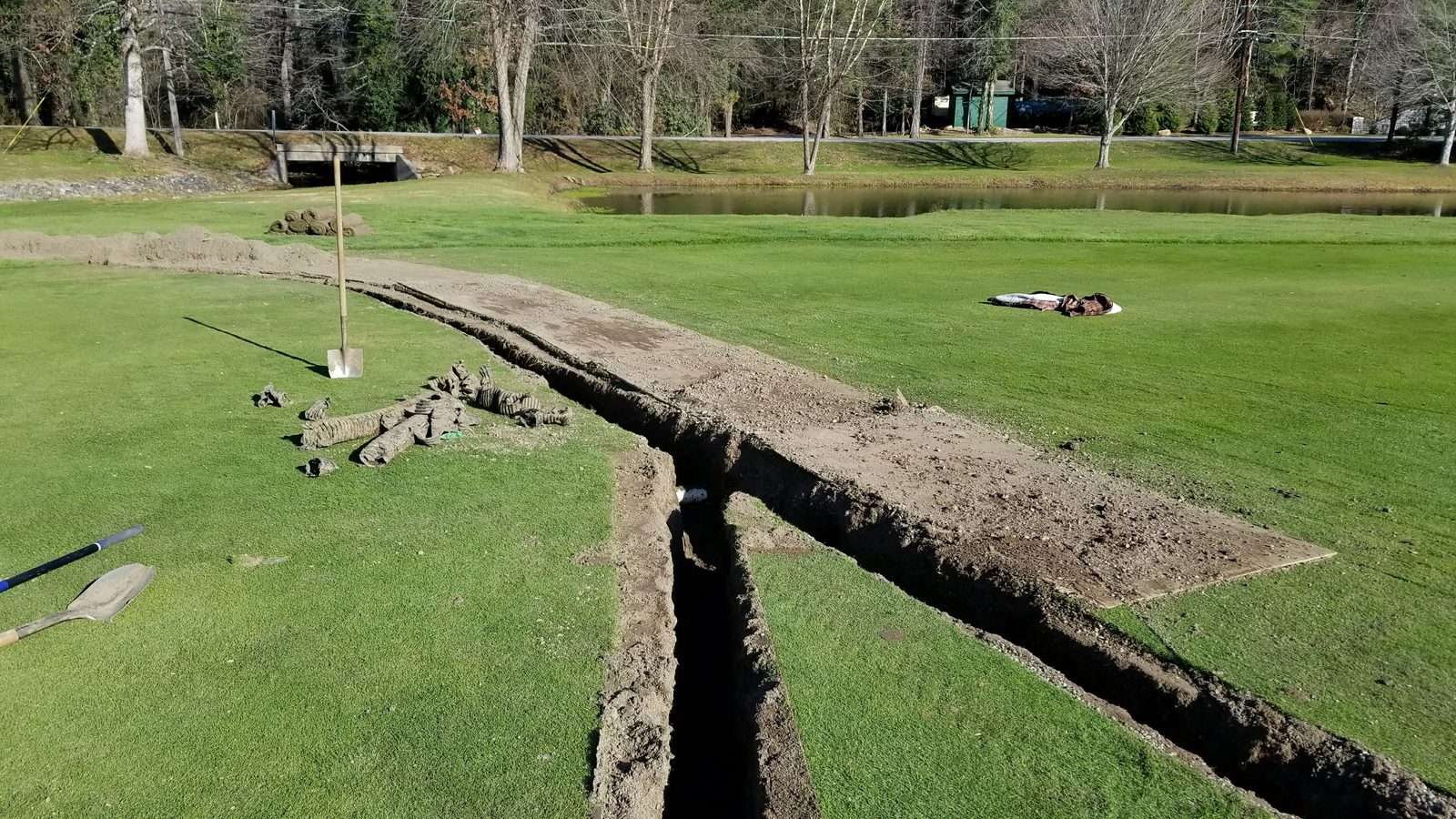
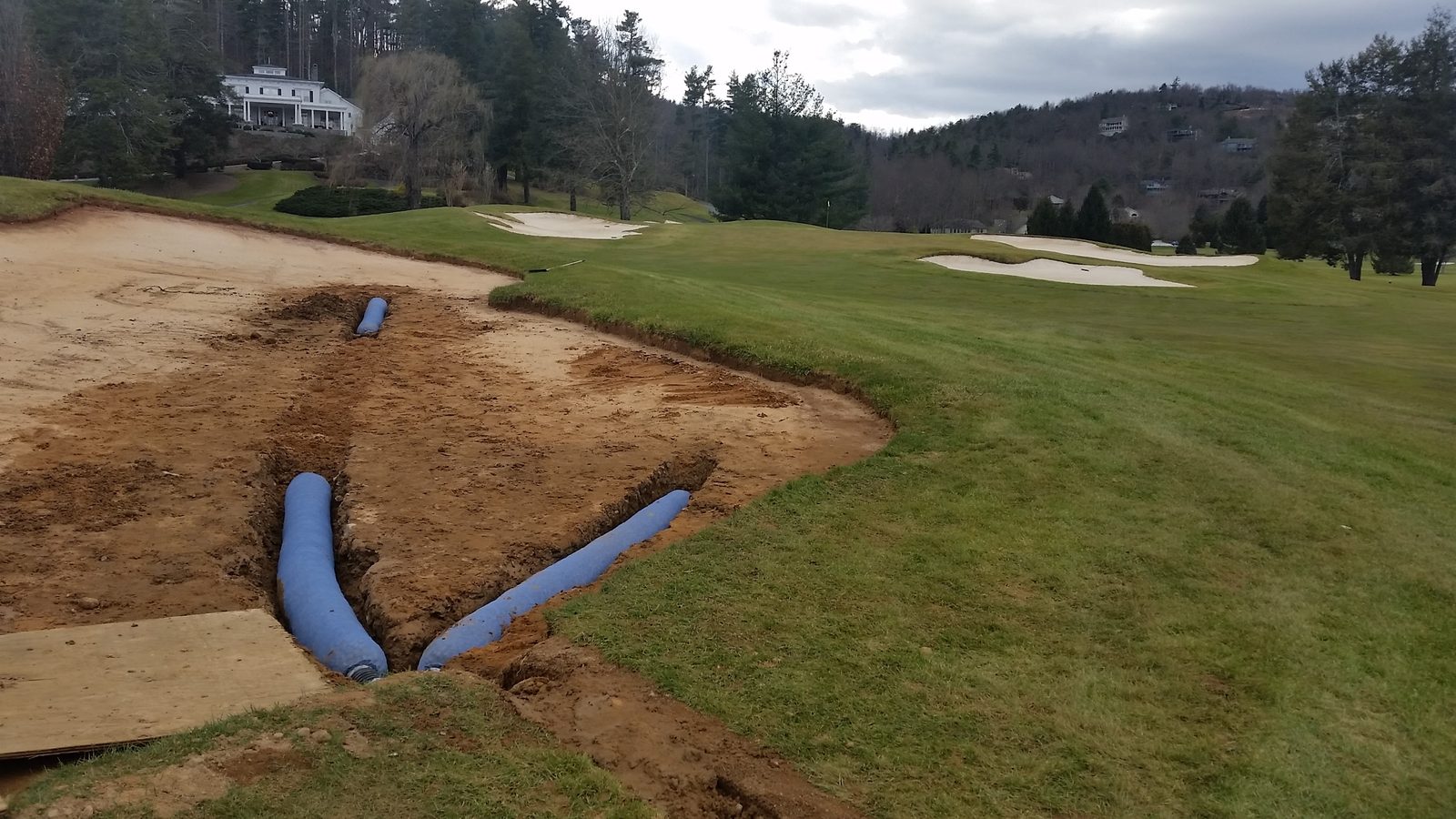
Wet areas, sealed surfaces, and slow-draining soils can turn good turf into a recurring repair bill. WNC Turf helps identify where the water is coming from, where it needs to go, and how to install drainage work with the least disruption possible.
Irrigation problems show up as dry spots, wet spots, weak establishment, disease pressure, wasted water, and uneven playing conditions. WNC Turf can help diagnose repairs, plan upgrades, and coordinate irrigation work around renovation timing.
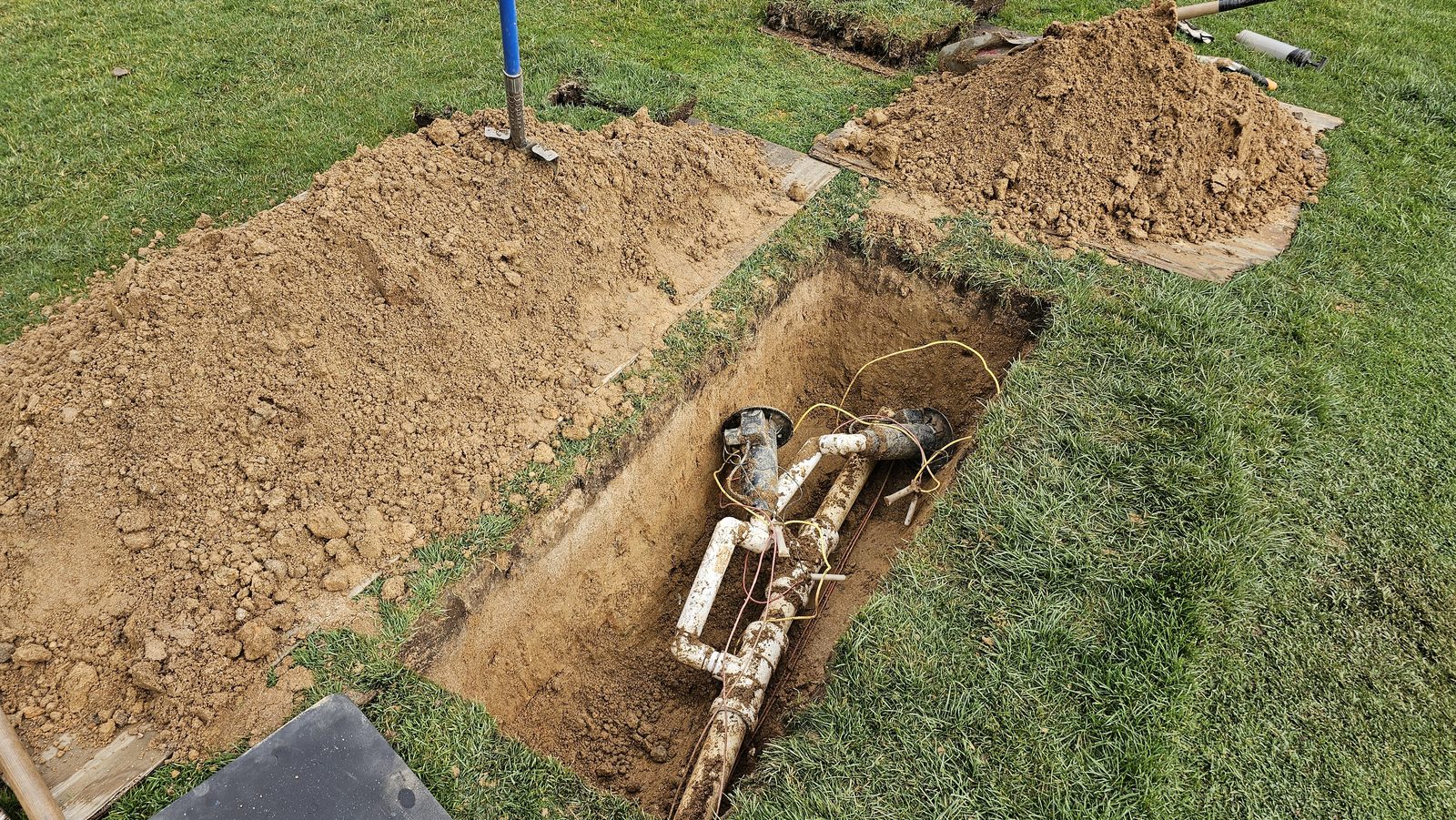
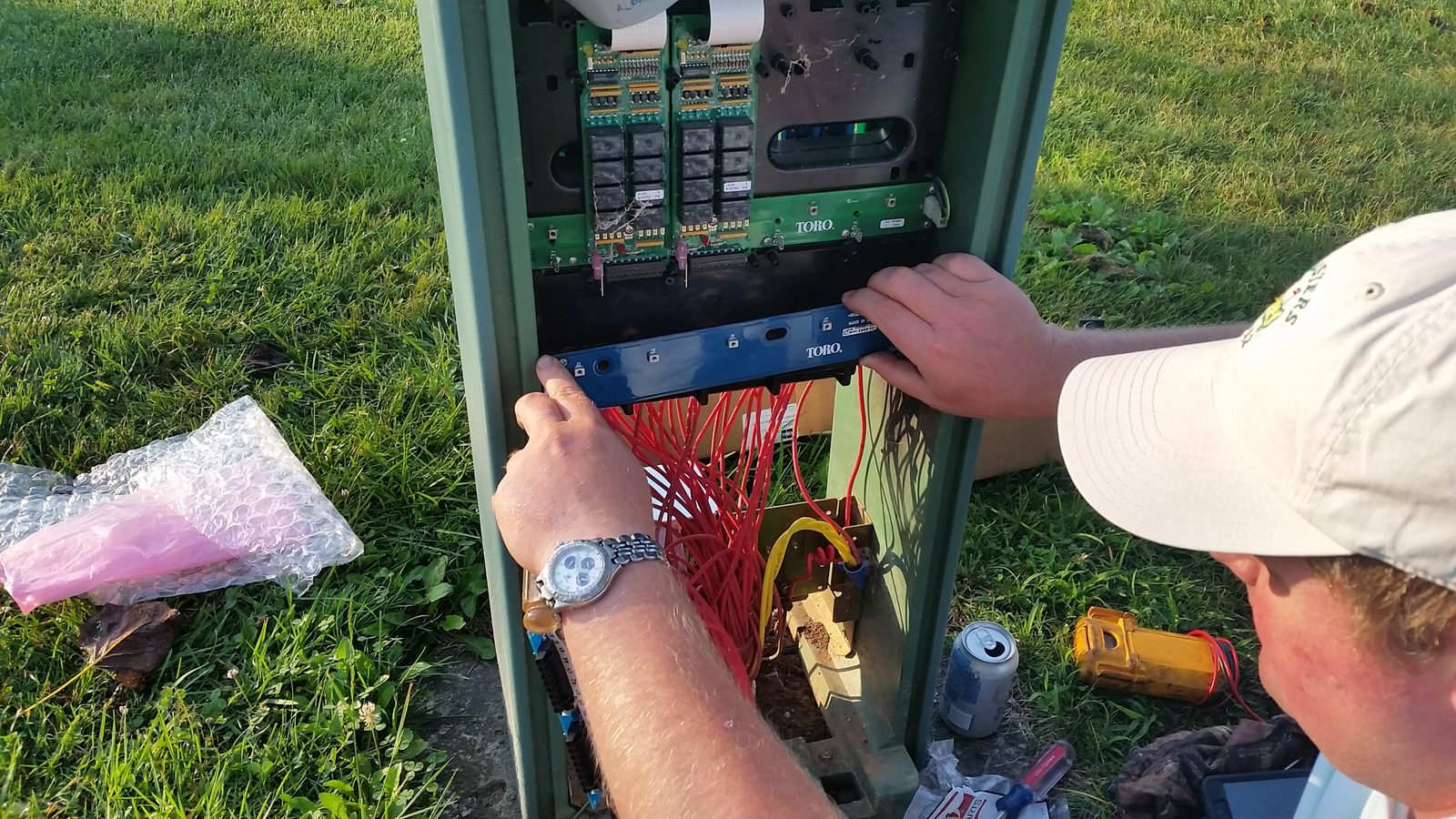
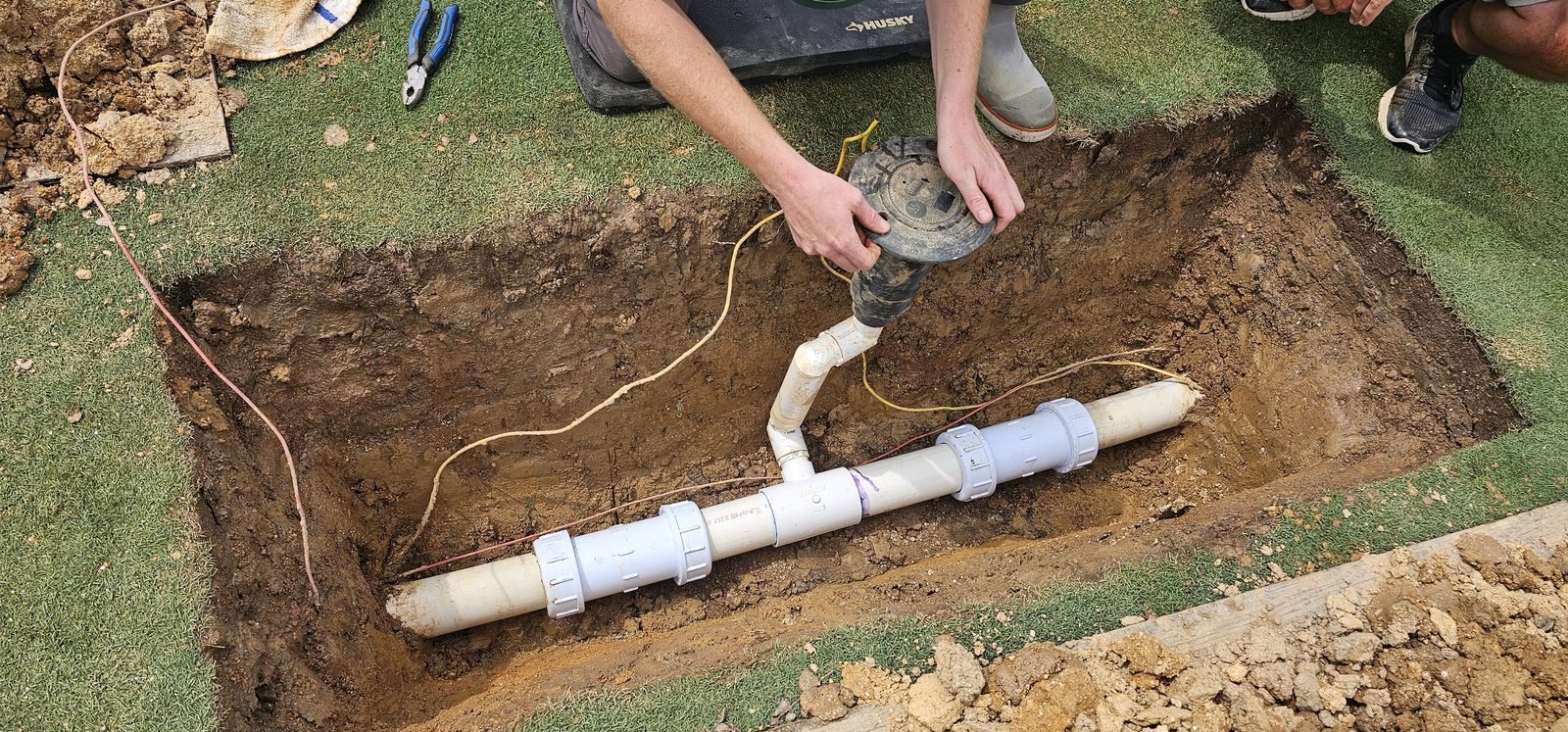
Some surfaces need a targeted repair. Others need a bigger reset. WNC Turf helps choose the scope before money gets spent.
Repair weak areas with the right seed, sod, soil preparation, and establishment plan.
Address wet, sealed, or compacted areas before rebuilding the surface above them.
Rebuild worn areas on fields, range tees, practice areas, entrances, and lawn corridors.
Time renovation around play, events, weather, and maintenance windows.
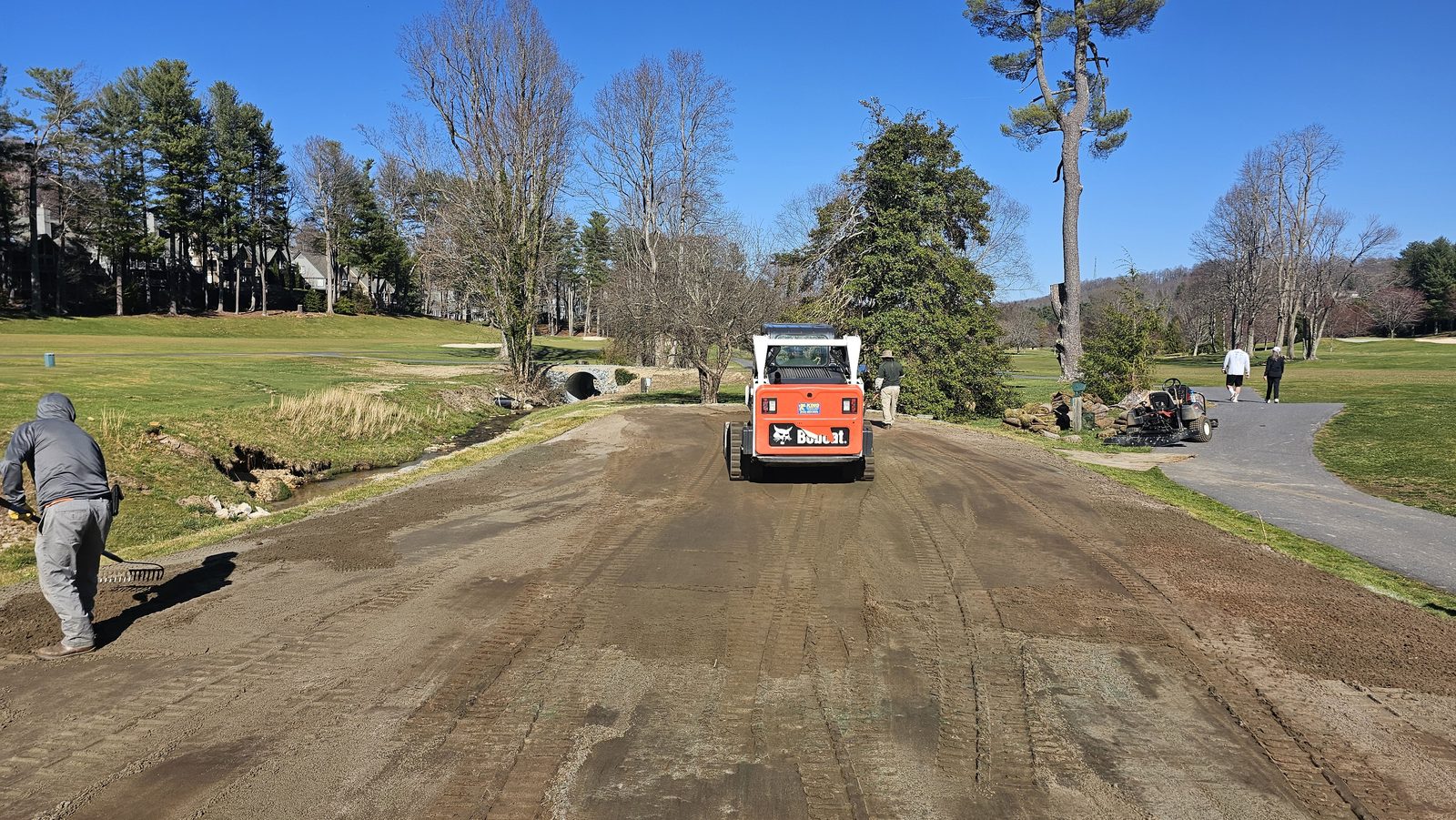
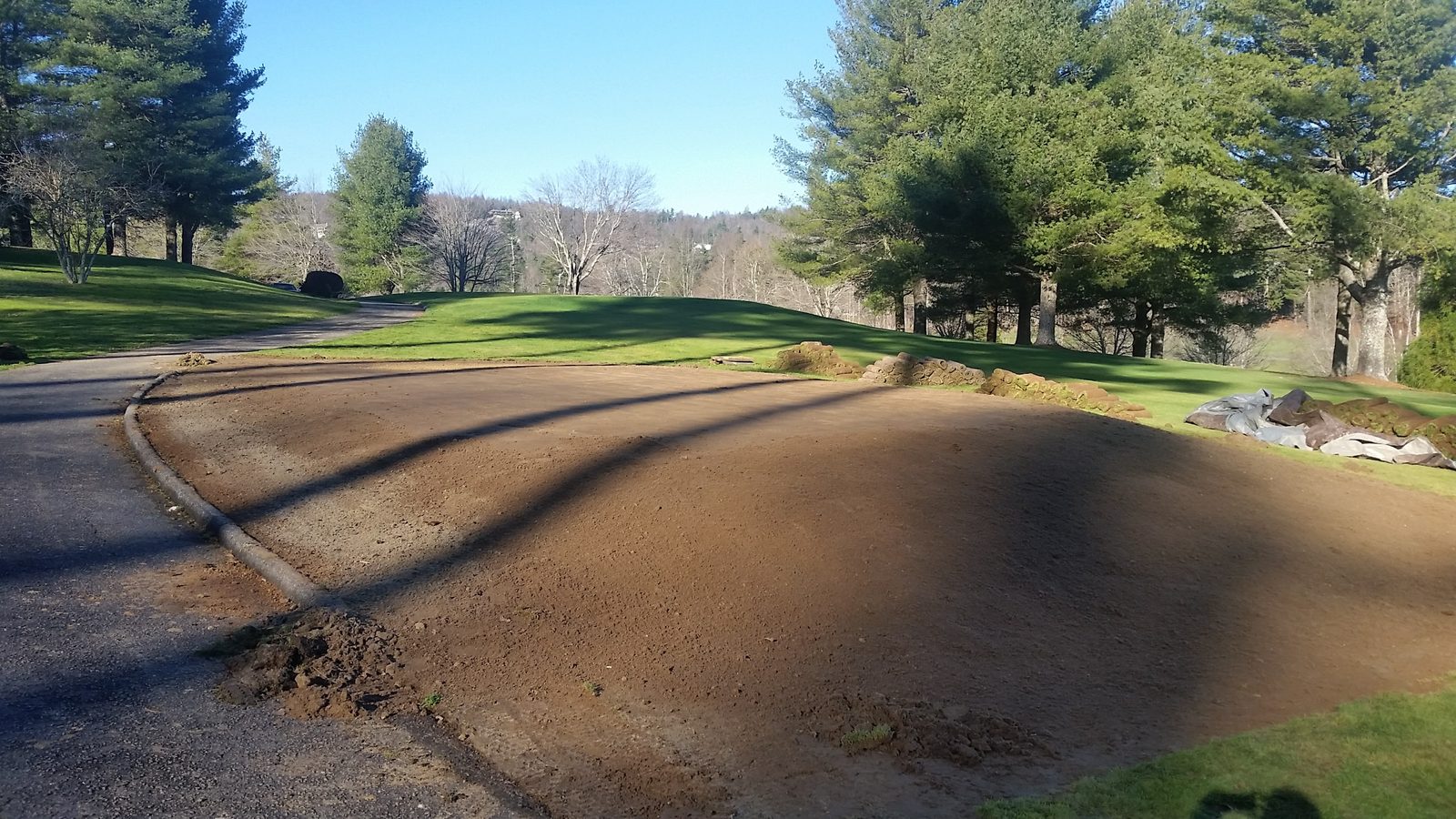
Project photos help show the difference between a plan on paper and a surface that actually establishes, fills in, and presents well under real course conditions.
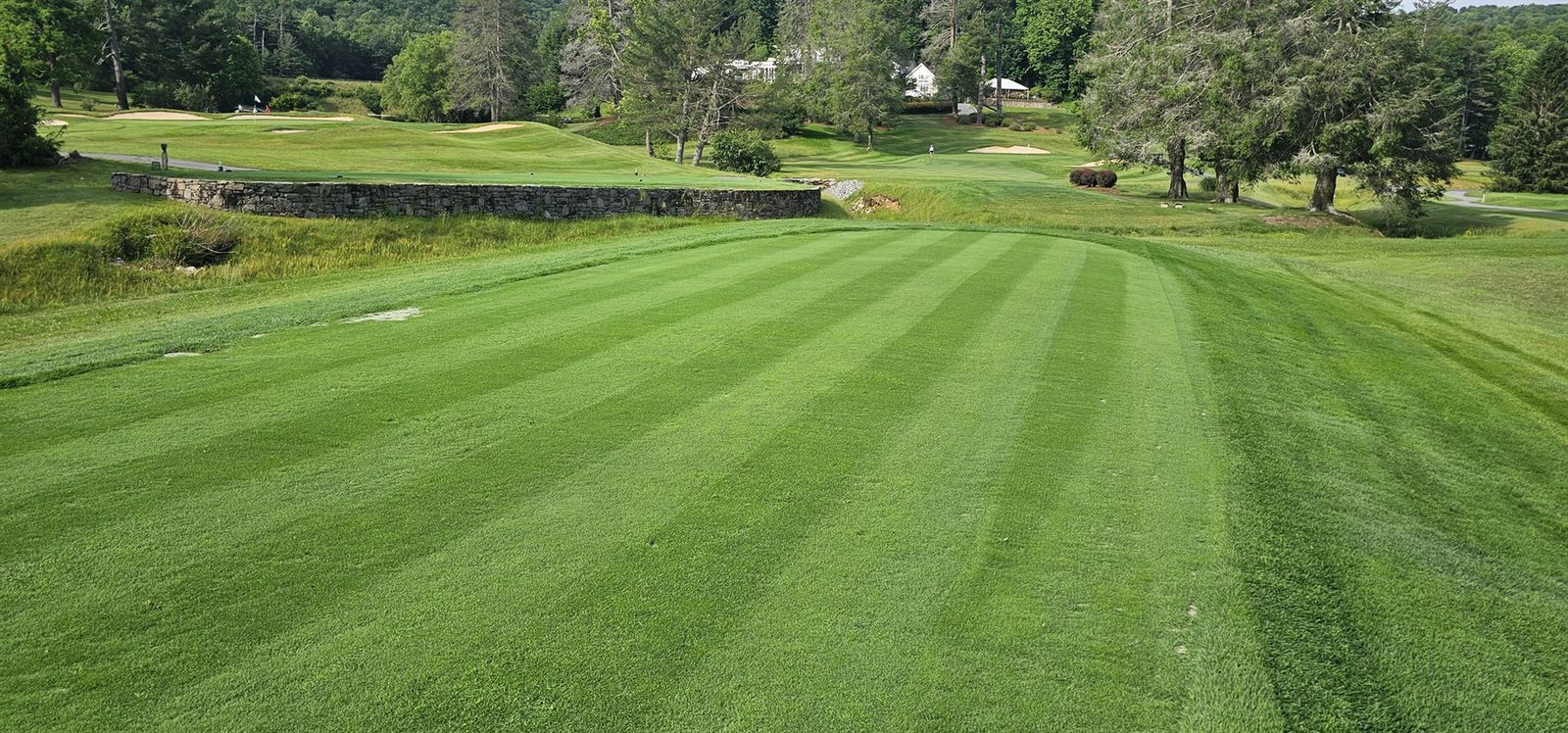
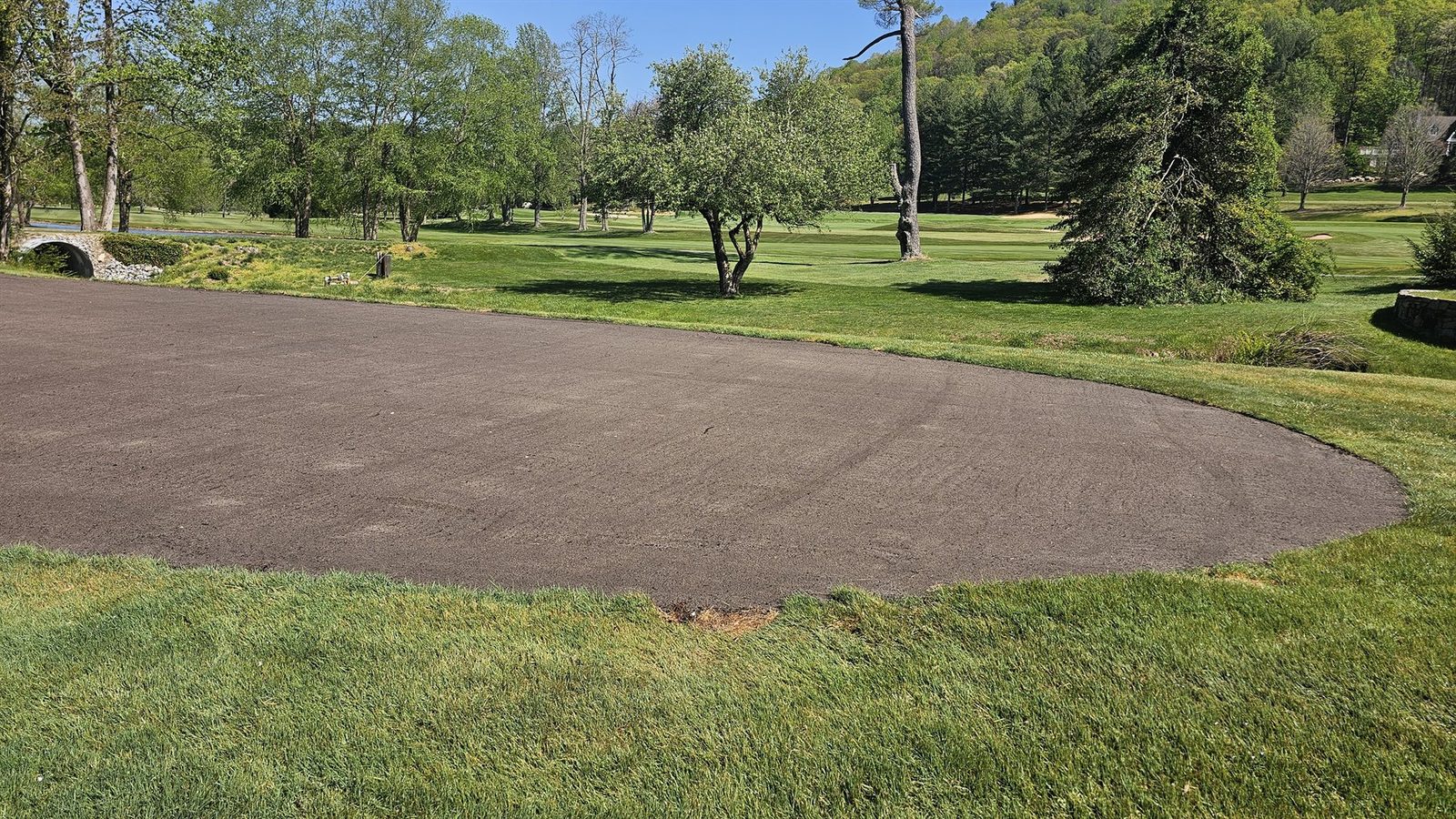
A documented 43-day transformation from prepared seedbed to a dense, striped bentgrass tee surface using Macdonald creeping bentgrass blend.
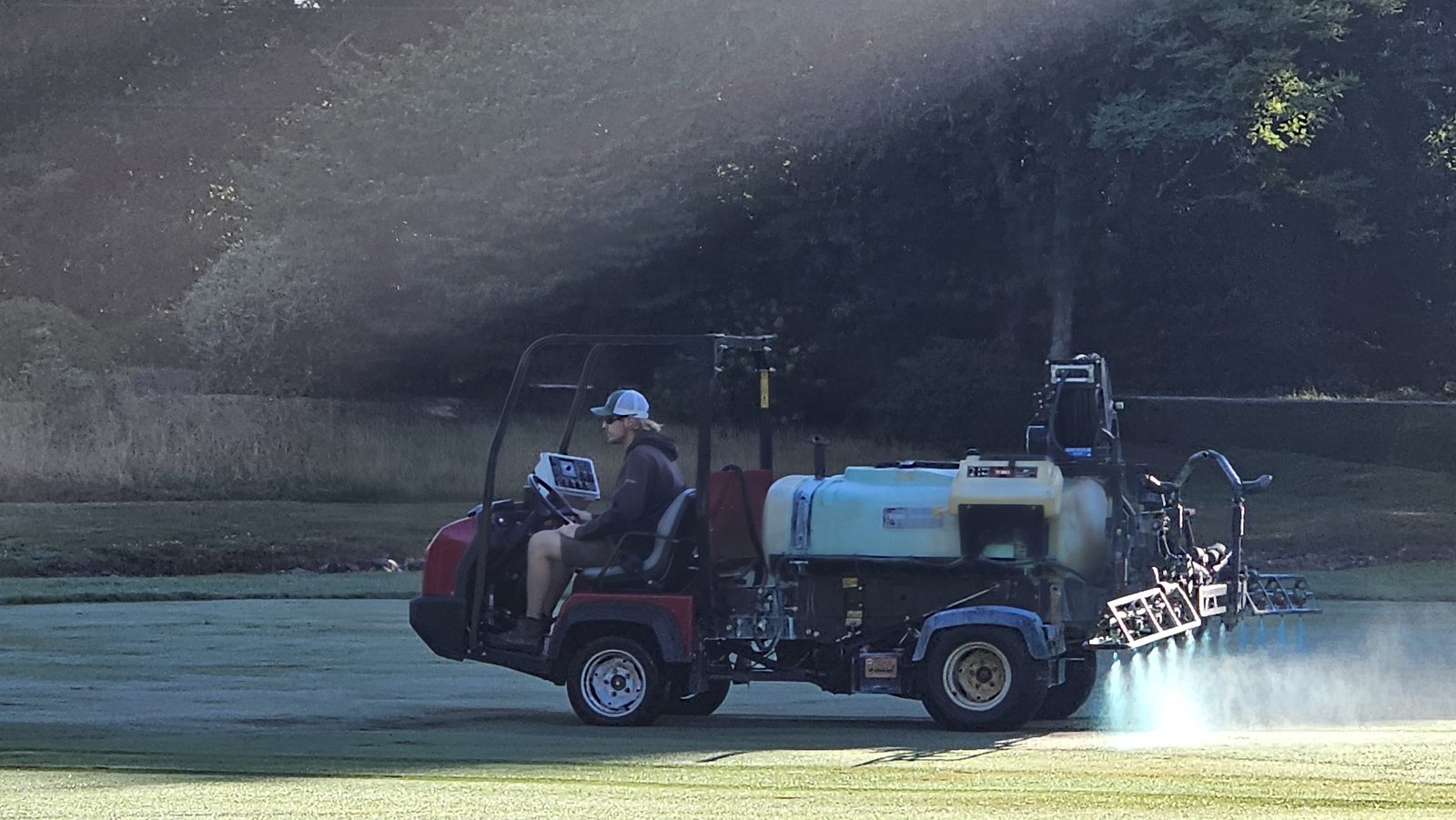
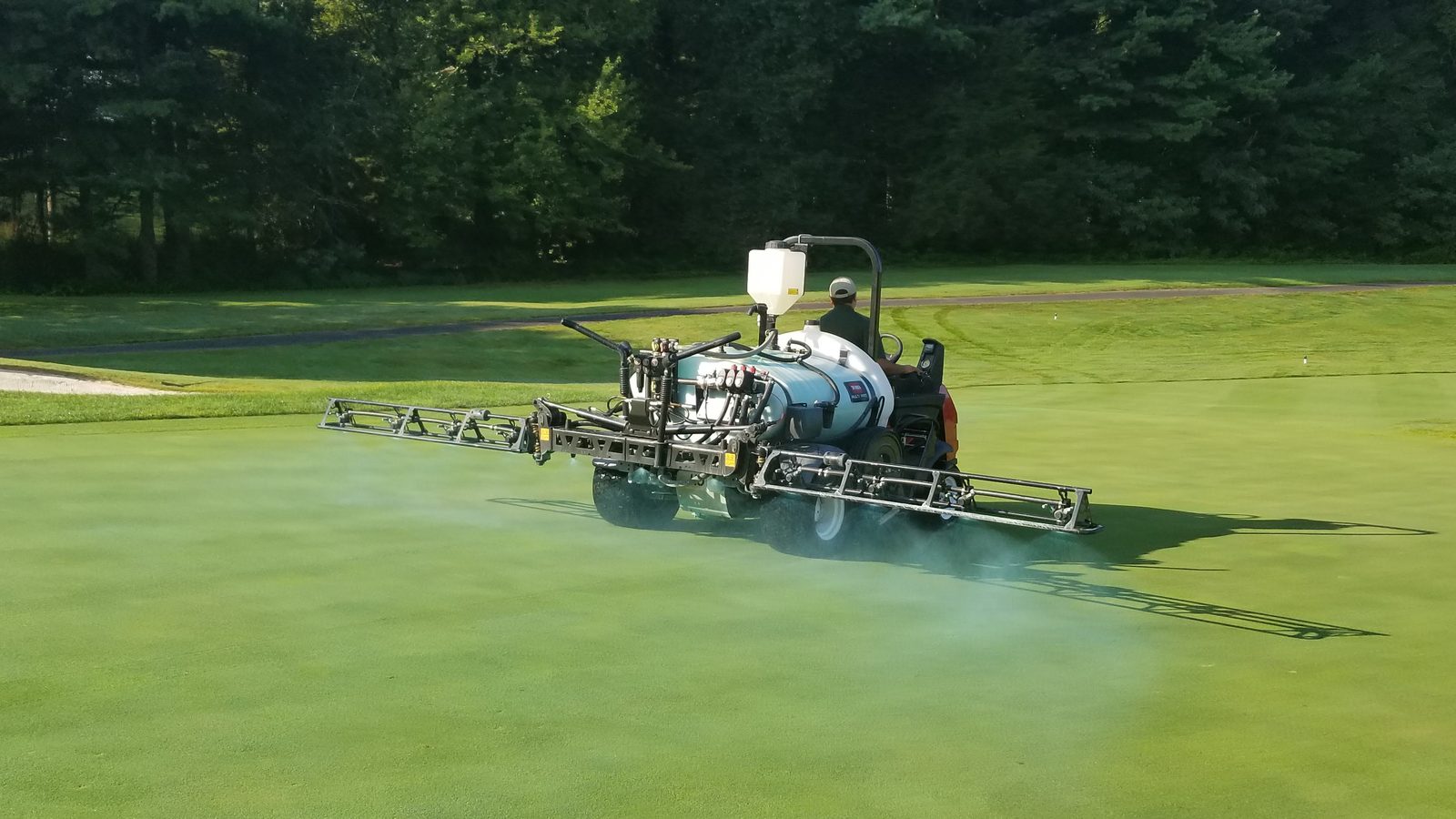
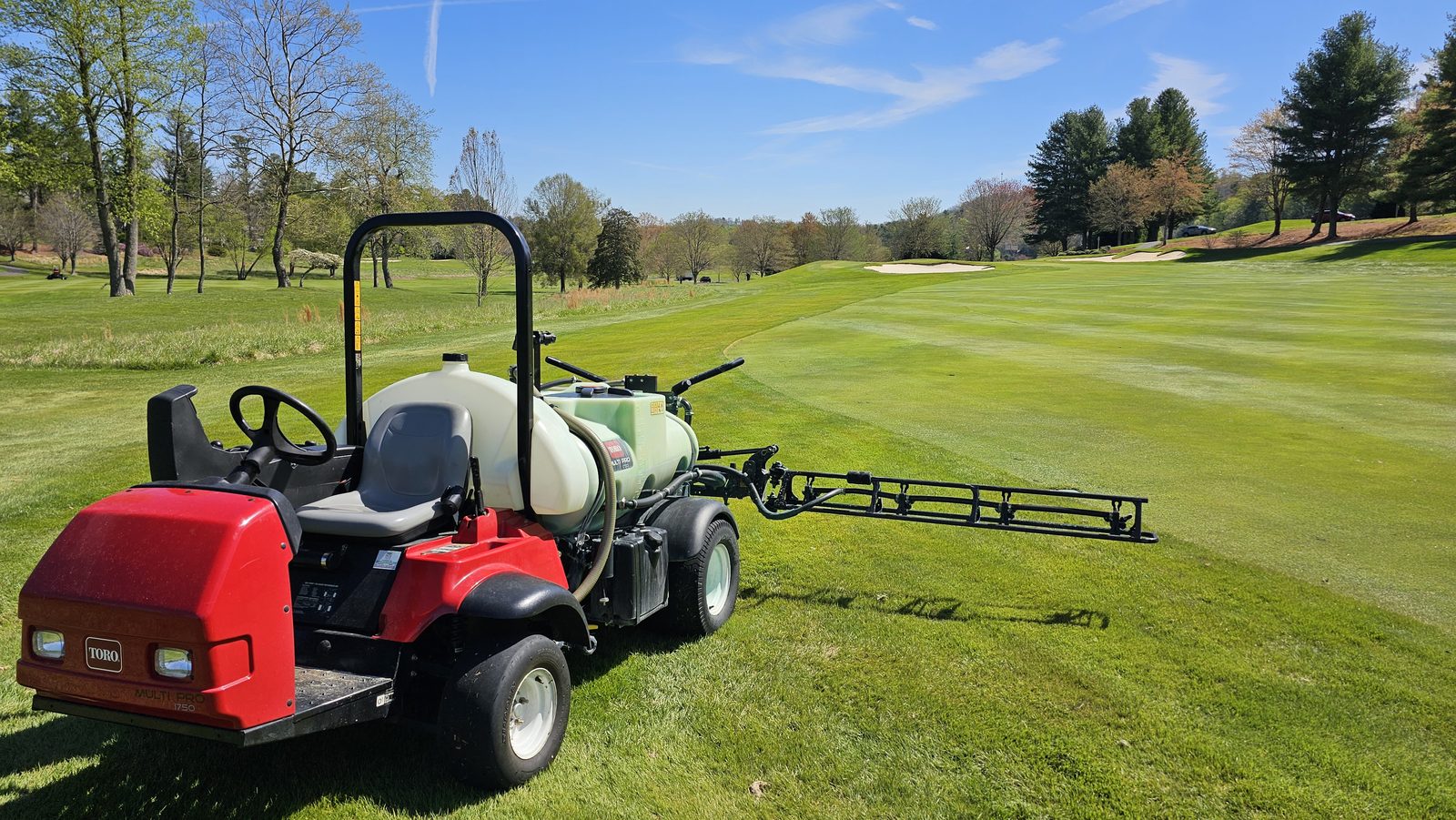
Spraying is part agronomy and part execution. WNC Turf can help with application planning, calibration, product timing, recovery programs, and field decisions that match the surface in front of you.
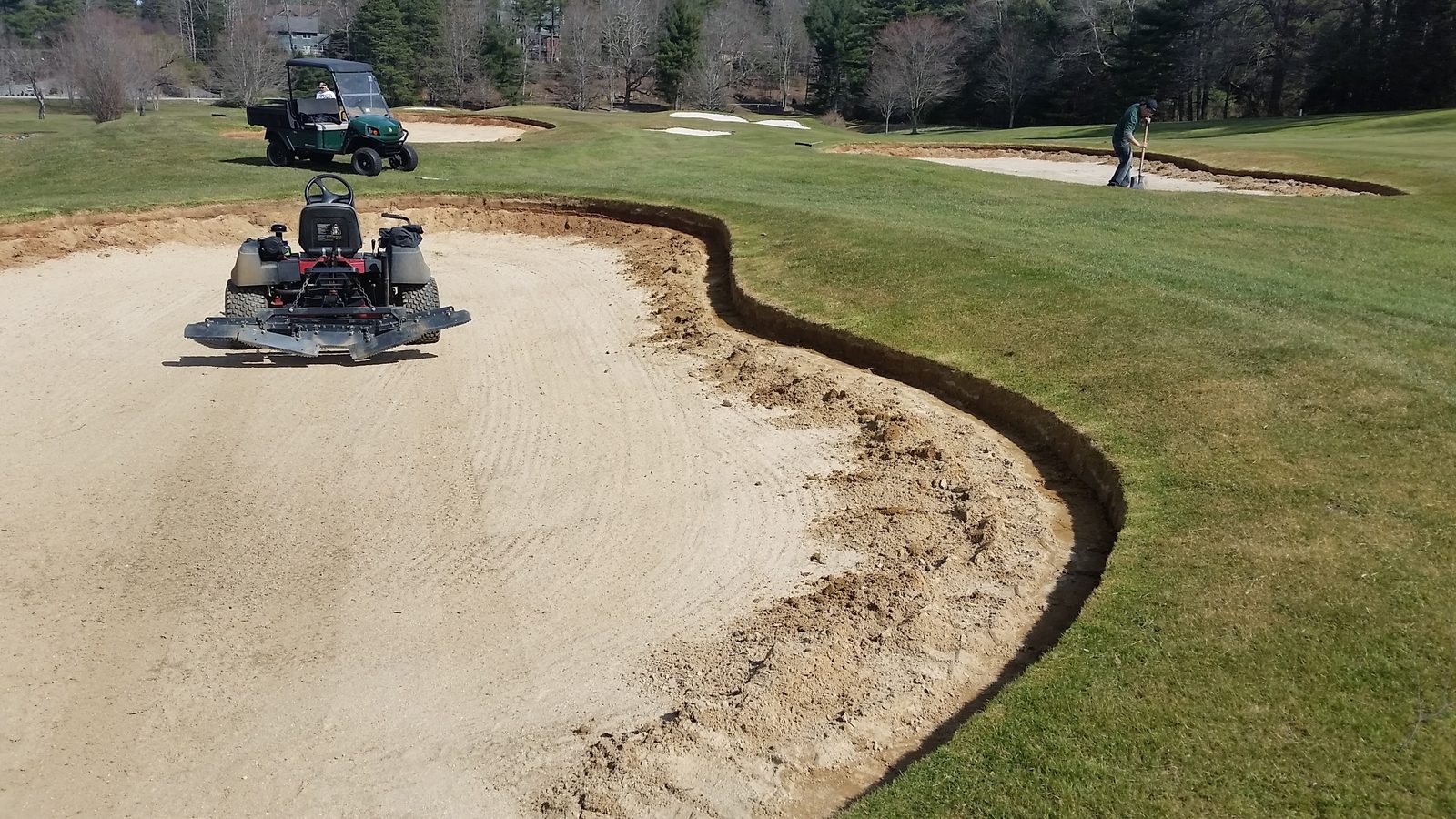
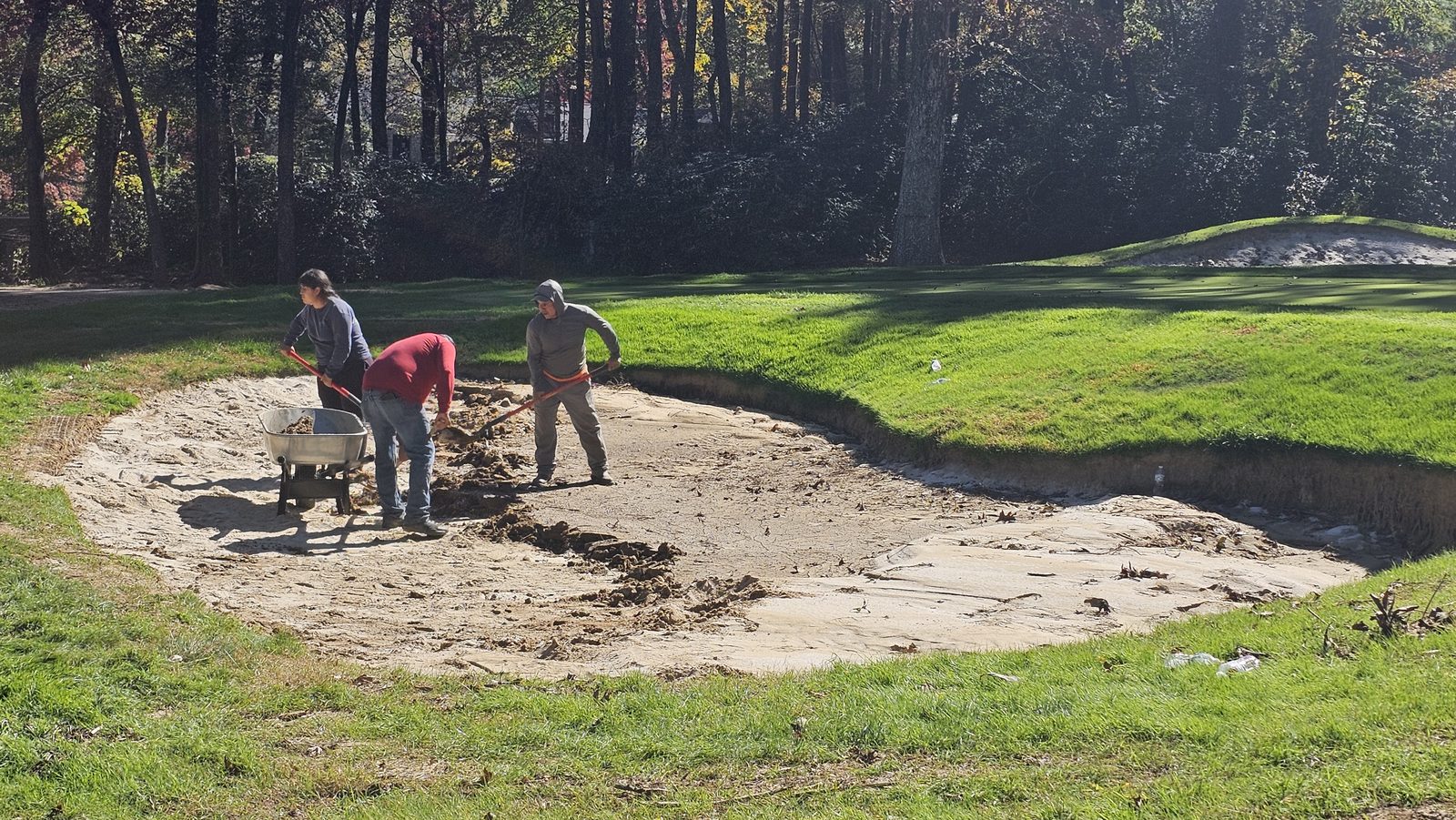
Bunker work is more than moving sand. Edges, drainage, slopes, entry points, contamination, and maintenance access all affect how a bunker plays and how often it fails after weather.
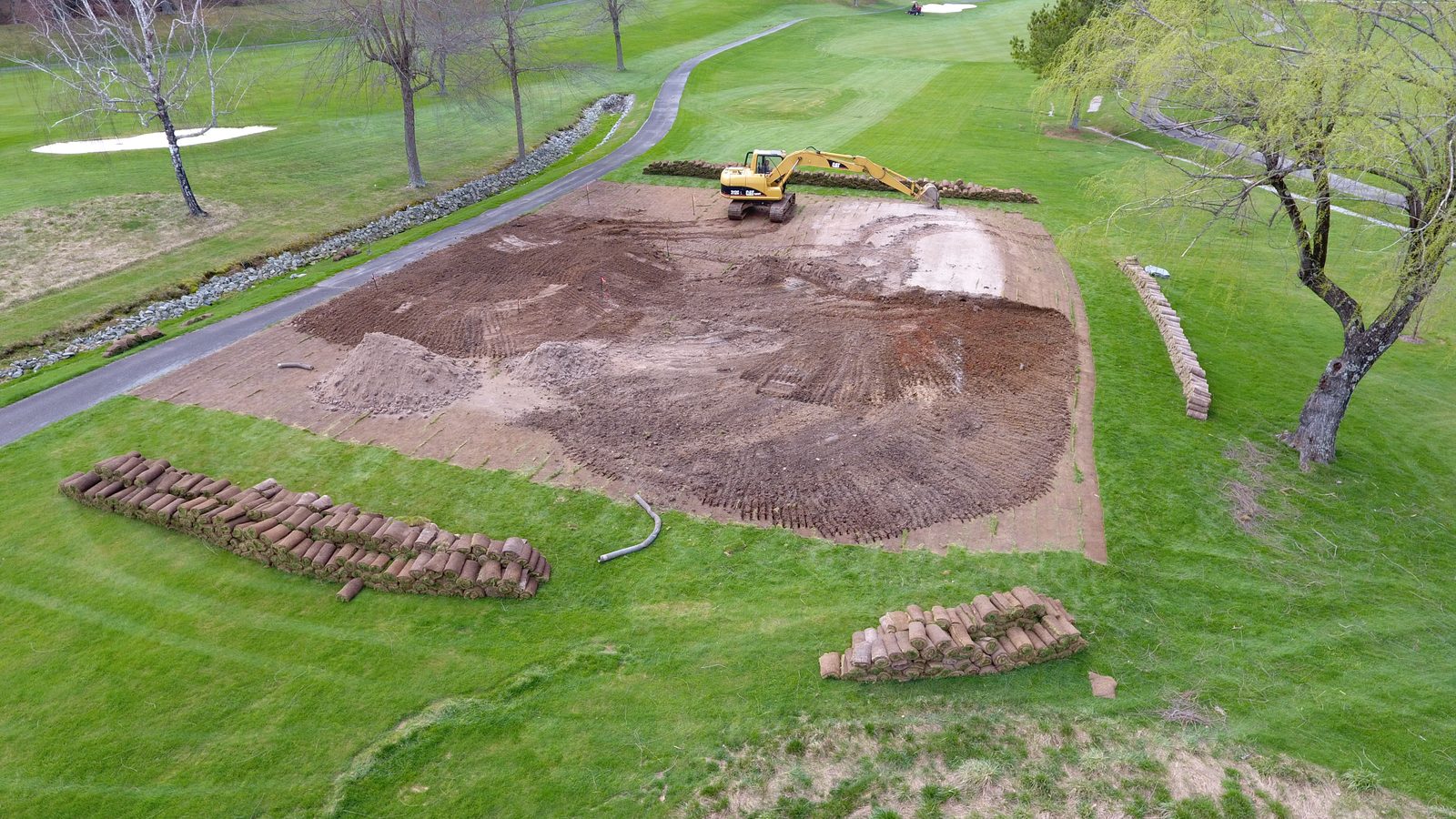
Tee boxes need clean grade, firm footing, healthy turf, and traffic flow that works for the way the hole is actually played. WNC Turf can help plan and execute tee renovations from rough shaping through establishment.
Send a few details about the surface, the problem areas, and the result you want. WNC Turf can help decide whether the next step is a site walk, a written plan, or renovation work.
Prefer email? josh@wncturf.com